
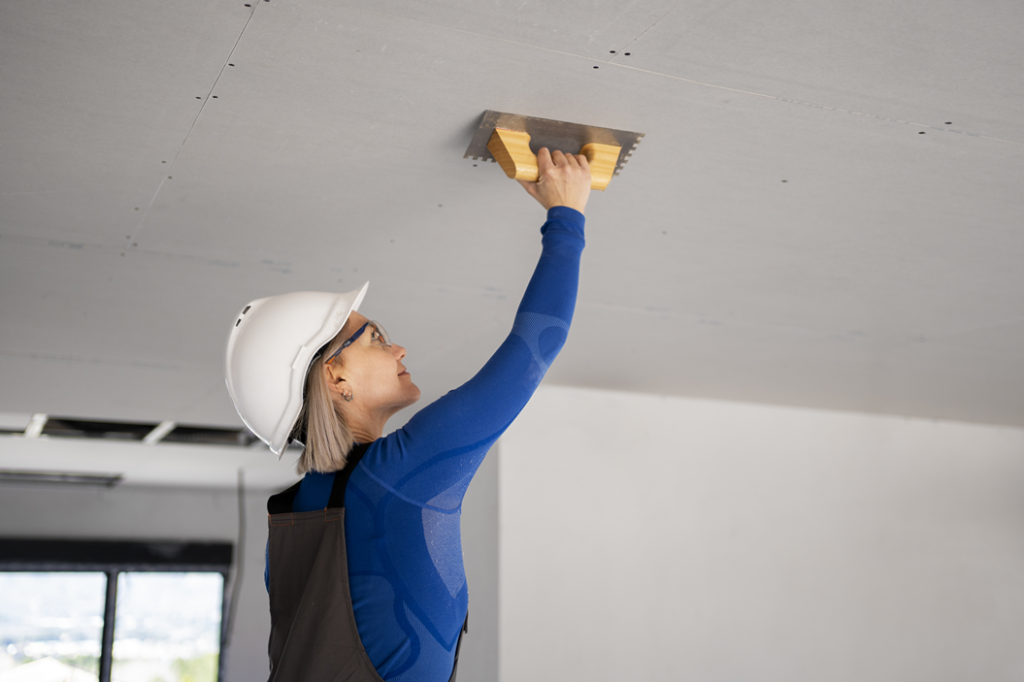
When it comes to maintaining the integrity and appearance of your home, few things are as important as addressing damaged plaster. Cracks, sagging, or peeling plaster on ceilings can quickly turn from a minor cosmetic issue into a serious structural concern. Whether caused by aging, moisture, or accidental damage, ceiling issues demand timely attention. In this guide, we’ll explore everything you need to know about ceiling plaster repair, along with insights into wall plaster repair and the role of local water damage restoration services.
Understanding Ceiling Plaster Damage
Ceiling plaster damage can appear in several forms, including hairline cracks, large splits, bulging areas, or even sections that have completely fallen away. While some damage may seem purely aesthetic, it often signals underlying problems.
Common causes include:
- Water leaks from roofs, plumbing, or HVAC systems
- Structural movement of the building over time
- Poor initial installation
- Humidity and temperature fluctuations
- Aging materials
Among these, water damage is one of the most serious culprits. If ignored, moisture can weaken plaster, leading to mold growth and further deterioration.
Why Ceiling Plaster Repair Is Essential
Ignoring damaged plaster can lead to more than just an unsightly ceiling. Here’s why timely repairs are crucial:
- Prevents Further Damage
Small cracks can expand, leading to larger sections falling off. - Improves Safety
Loose plaster poses a risk of falling, especially in older homes. - Enhances Aesthetic Appeal
A smooth, clean ceiling significantly improves the look of any room. - Maintains Property Value
Well-maintained interiors are key to preserving your home’s market value.
Signs You Need Ceiling Plaster Repair
Not all damage is immediately obvious. Look out for these warning signs:
- Cracks spreading across the ceiling
- Bubbling or peeling paint
- Discoloration or stains (often from water damage)
- Sagging sections
- A hollow sound when tapping the surface
If you notice water stains, it’s wise to also consider local water damage restoration services to address the root cause before repairing the plaster.
Step-by-Step Ceiling Plaster Repair Process
Repairing ceiling plaster can range from simple DIY fixes to more complex professional jobs. Here’s a general overview:
1. Assess the Damage
Determine whether the issue is minor (small cracks) or severe (large sections falling off). Severe damage may require professional help.
2. Fix the Underlying Problem
Before repairing plaster, address any leaks or structural issues. Without this step, the damage will likely return.
3. Remove Loose Plaster
Carefully scrape away damaged or crumbling plaster using a putty knife or scraper.
4. Clean the Area
Remove dust and debris to ensure proper adhesion of new material.
5. Apply Bonding Agent
This helps new plaster stick to the existing surface.
6. Apply New Plaster
Use a trowel to apply a fresh layer of plaster, smoothing it evenly across the surface.
7. Sand and Finish
Once dry, sand the area to achieve a smooth finish before painting
When to Call Professionals
While small cracks can often be handled as a DIY project, certain situations require expert intervention:
- Extensive water damage
- Large sagging areas
- Repeated cracking
- Mold presence
- Structural concerns
Professionals not only repair the visible damage but also identify hidden issues. This is particularly important when water damage is involved, as local water damage restoration specialists can prevent long-term problems like mold and structural decay.
The Role of Local Water Damage Restoration
Water damage is one of the leading causes of plaster deterioration. Whether from a leaking roof, burst pipe, or flooding, moisture can seep into ceilings and walls, weakening the plaster over time.
Local water damage restoration services play a critical role by:
- Identifying the source of moisture
- Drying affected areas thoroughly
- Preventing mold growth
- Repairing structural damage
By addressing these issues before plaster repair, you ensure a longer-lasting and more effective result.
Wall Plaster Repair: Don’t Overlook It
While ceiling plaster repair is crucial, damaged walls also deserve attention. Wall plaster repair often goes hand-in-hand with ceiling work, especially when water damage is involved.
Common wall plaster issues include:
- Cracks around windows and doors
- Flaking or peeling surfaces
- Damp patches
- Impact damage
The repair process is similar to ceiling work but may involve additional steps like reinforcing corners or using mesh tape for larger cracks.
By addressing both ceiling and wall plaster repair simultaneously, you can maintain a consistent and polished look throughout your home.
Preventing Future Plaster Damage
Once repairs are complete, taking preventive measures can save you time and money in the long run.
Here are some tips:
- Fix leaks promptly
- Ensure proper ventilation in kitchens and bathrooms
- Use high-quality materials for repairs
- Inspect ceilings regularly for early signs of damage
- Maintain your roof and plumbing systems
Regular maintenance is key to avoiding costly repairs in the future.
DIY vs. Professional Repair: What’s Best?
Choosing between DIY and professional repair depends on the severity of the damage and your skill level.
DIY Repair is Suitable For:
- Small cracks
- Minor cosmetic issues
- Areas without water damage
Professional Repair is Best For:
- Large or complex damage
- Water-related issues
- Structural concerns
- High ceilings or hard-to-reach areas
While DIY can save money, improper repairs may lead to recurring problems. Investing in professional services often ensures durability and peace of mind.
Cost Considerations
The cost of ceiling plaster repair can vary based on:
- Size of the damaged area
- Severity of the damage
- Labor costs in your area
- Need for water damage restoration
- Materials used
Minor repairs may be relatively inexpensive, while extensive damage involving structural fixes and restoration services can be more costly. However, addressing issues early can significantly reduce overall expenses.
Final Thoughts
Ceiling plaster repair is an essential part of home maintenance that should never be overlooked. From small cracks to major damage caused by moisture, timely action can prevent bigger problems down the line.
By understanding the causes, recognizing the signs, and choosing the right repair approach, you can restore your ceiling’s appearance and structural integrity. Don’t forget to address related issues like wall plaster repair and consider local water damage restoration services when moisture is involved.
A well-maintained ceiling not only enhances your home’s beauty but also ensures a safe and comfortable living environment for years to come.